
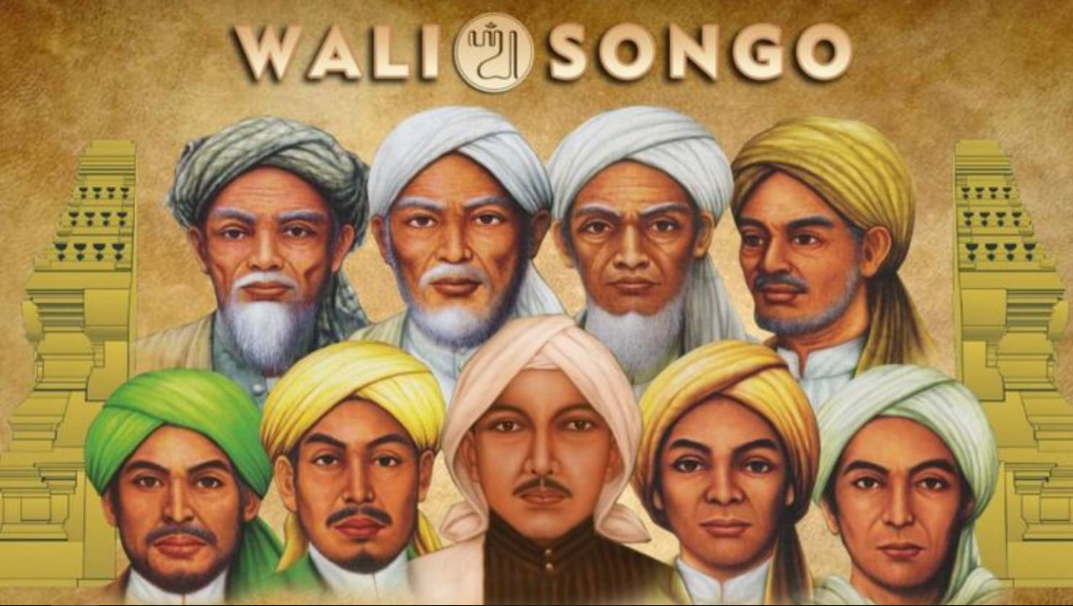
Understanding historical trajectories requires stripping away layer after layer of folklore accumulated across centuries. Scholars investigating Islamic propagation throughout Maritime Southeast Asia frequently encounter vast discrepancies separating ancient manuscripts from modern folk practices.
Investigative history reveals how Wali Songo established a highly sophisticated, orthodox scholarly framework that deliberately prioritized pure monotheism, deep legal compliance, and strategic geopolitical positioning before subsequent dynasties systematically reshaped these narratives to serve localized monarchical agendas.
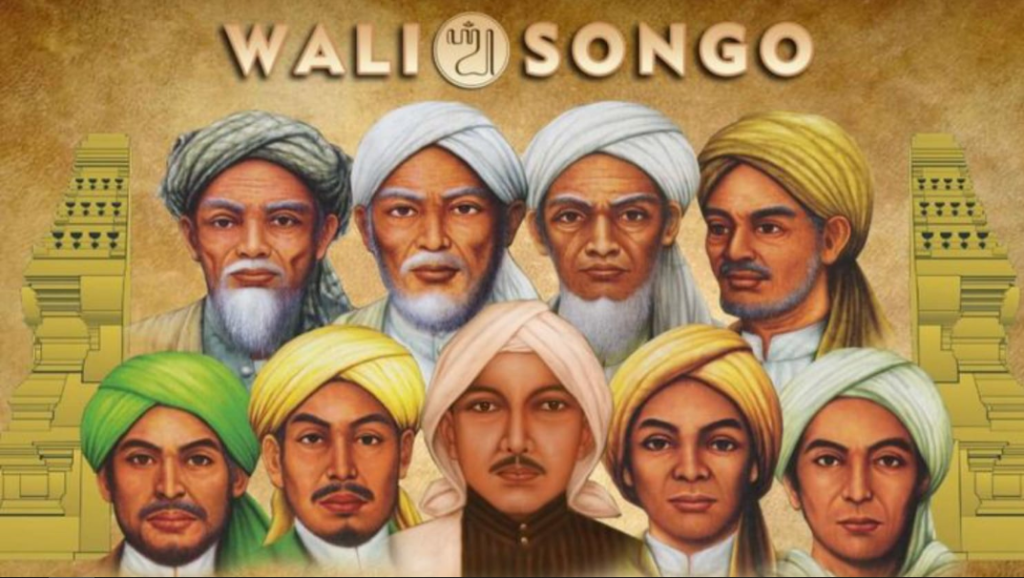
Concise Identification of Nine Saints and Their Authentic Names
Historical precision demands identifying individual spiritual guides by documented birth names rather than localized territorial honorifics. Regional legends frequently obscure actual identities behind titles referencing specific burial grounds or operational headquarters.
Examining primary archival materials restores accurate nomenclature, demonstrating a cohesive network of trained scholars operating across major maritime ports rather than isolated mythical entities possessing supernatural capabilities.
- Sunan Gresik: Maulana Malik Ibrahim
- Sunan Ampel: Raden Rahmat
- Sunan Bonang: Maulana Makdum Ibrahim
- Sunan Drajat: Raden Qasim
- Sunan Kudus: Ja'far Shadiq
- Sunan Giri: Raden Paku (Ainul Yaqin)
- Sunan Kalijaga: Raden Mas Said
- Sunan Muria: Raden Umar Said
- Sunan Gunung Jati: Syarif Hidayatullah
Restoring authentic nomenclature allows historians to evaluate individual figures as real geopolitical actors who transformed regional socio-political realities. These scholars operated not as solitary mystics but as interconnected members of an organized academic guild who shared consistent theological training and legal methodologies.
Brief Survey of Geographic Origins and Lineage Roots of Wali Songo
Geographic extractions expose an intricate web of international migration patterns challenging simplistic insular historical assumptions. Academic investigation demonstrates that early pioneer scholars emerged from diverse cultural matrices before anchor points materialized in Java.
- Maulana Malik Ibrahim: Traced to Samarkand (Central Asia) or Persia.
- Sunan Ampel: Born in Champa (modern Vietnam), moving to Java during late Majapahit era.
- Sunan Bonang and Sunan Drajat: Born in Java, descending from Champa elite lineages.
- Sunan Kudus: Born to immigrant scholar families residing in coastal port cities.
- Sunan Giri: Born in Blambangan (East Java) to scholar father Maulana Ishaq.
- Sunan Kalijaga and Sunan Muria: Born into native Javanese nobility within Tuban Regency.
- Sunan Gunung Jati: Born in Pasai or Middle Eastern territories, carrying elite scholarly credentials.
Melding foreign scholarly expertise with deep-rooted domestic nobility generated a resilient administrative class capable of challenging dominant socio-political structures during late Majapahit periods. Strategic geographic placement ensured that internal domestic elite structures aligned perfectly with international maritime merchant classes.
Lineage Verification Tracing Prophet Muhammad Kinship
Genealogies connecting pioneering proselytizers to global prophetic families undergo continuous validation through international historical registries. Specialized organizations cross-reference familial records across generations to preserve historical accuracy against manufactured lineages.
Verifiable documentation indicates that explicit ties bound coastal scholars to global intellectual lineages, strengthening spiritual authority among emerging Islamic communities.
Validating prophetic lines served practical purposes within global trade networks, granting regional leaders immediate access to prestigious mercantile guilds. Localized communities respected inherited spiritual authority, accelerating political alliances between immigrant scholars and native aristocrats.
Wali Songo Documented lineages provided vital insulation against visual and political isolation, ensuring continuous resource flow from Western Asian hubs.
Bani Alawiyah Azmatkhan Clan Noble Genealogy from Hadramaut
Explicit genealogical registries trace ancestral stems straight to Hadhramaut, Yemen, using verified documentation kept by international scholarly lineages guilds. Ancestral lines flow directly from Imam Ahmad al-Muhajir, descending through generations that eventually adapted the surname Azmatkhan after establishing administrative roots within Indian territories.
Family members migrated eastward, embedding pure prophetic lineages into administrative frameworks throughout Southeast Asian ports.
Azmatkhan identity maintained strict adherence to classical genealogical preservation standards, preventing chronological fabrications. Descendants retained written testimonies corroborating individual links to Sayyidina Husain, ensuring spiritual transmission lines remained uncorrupted by localized mythology.
Scholarly networks viewed this lineage as a primary guarantor of authentic doctrinal fidelity throughout regional transformation processes.
Maritime Migration Routes Across Northern Coast
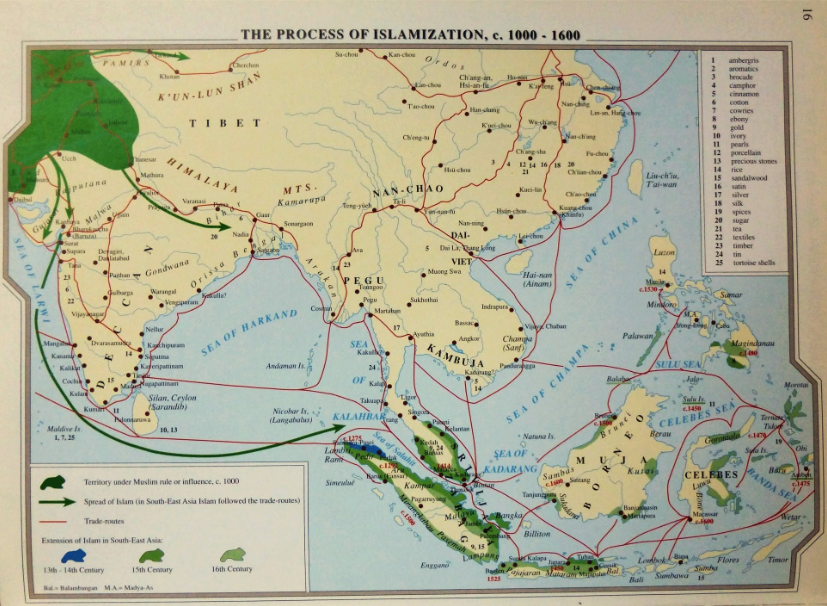
Prophetic lineages navigated complex ocean voyages across multiple decades rather than embarking on singular direct migrations. Generations settled temporarily within vital oceanic nodes including Gujarat, Malacca, and Champa, creating interconnected mercantile families along global shipping routes. Strategic pauses allowed families to accumulate material capital and master diverse regional dialects before establishing permanent operations inside Javanese territory.
Coastline arrivals clustered intentionally around expanding maritime trade hubs, transforming isolated ports into centers of global commerce. Immigrant scholars utilized advanced understanding of deep-sea navigation and international contract law to secure favored status among regional rulers. Gradual integration ensured peaceful structural transitions as older agrarian empires weakened over time.
Deconstructing Manhaj Theological Framework of Wali Songo
Methodological approaches utilized by early proselytizers prioritized traditional orthodox parameters, contradicting modern claims of syncretic innovation. Historical documentation indicates absolute rejection of doctrinal deviation, preserving core tenets against localized spiritual compromise. Early leadership systematically introduced structural orthodoxy to replace scattered pantheistic belief systems dominating rural areas.
Scholars structured public instruction around clear divisions separating immutable spiritual obligations from flexible pedagogical methods. While presentation styles utilized familiar regional aesthetics, internal doctrinal substance remained strictly uncompromised. This methodical approach guaranteed rapid assimilation without diluting fundamental monotheistic principles.
Shafi i Fiqh as Constitutional Law in Early Sultanates
Jurisprudence across rising maritime states utilized Shafi'i legal methodologies to establish early constitutional frameworks. Official state handbooks, maritime codes, and judicial edicts across Demak and Cirebon referenced standard classical legal manuals, reinforcing strict adherence to canonical law. Legal systems regulated commercial ethics, international shipping contracts, and marital law through established Shafi'i parameters.
Implementing standard legal schools provided crucial stability for international merchants seeking predictable judicial environments. Courts administered by appointed judges resolved complex contractual disputes using methodology recognized across Indian Ocean ports. Strict legal governance effectively replaced arbitrary royal decrees, creating institutional frameworks that outlasted individual rulers.
Ash ari Creed and Sunni Sufism of Imam Al Ghazali
Dogmatic instruction consistently aligned with Ash'ari and Maturidi theological formulations, establishing absolute boundaries regarding divine transcendence. Early instructional manuals rejected pantheistic mixtures, insisting on clear separation between Creator and creation. Theological clarity protected vulnerable populaces from adopting extreme mystical philosophies that discarded basic religious obligations.
Spiritual refinement methodologies strictly followed Sunni Sufism as systematized by Imam Al-Ghazali, emphasizing continuous harmony between legal requirements and inner purification. Mystical practices served as psychological tools to strengthen character rather than means to escape ritual obligations. Scholarly leaders firmly suppressed radical esoteric movements that threatened public order or undermined established legal foundations.
Academic Journey Educational Roots in Makkah and Madinah
Wali Songo Intellectual authority depended heavily on verified chains of educational transmission originating from primary sanctuaries across Hijaz. Scholars travelled extensively, enduring rigorous multi-year residencies to acquire direct validation from universally recognized authorities. Documented certificates guaranteed that regional teachings mirrored orthodox practices maintained at global epicenters.
Educational journeys of Wali Songo created continuous feedback loops between Southeast Asian communities and Middle Eastern scholarly circles. Traveling students transported classical literature back to regional libraries, expanding domestic intellectual horizons. International exposure ensured local legal development remained integrated within broader global Islamic discourse.
Syarif Hidayatullah and Intellectual Networks in Middle East
Syarif Hidayatullah documented comprehensive academic residencies within Makkah, acquiring direct instruction under masters like Syekh Tajudin Al-Qurthubi. Extended travels across Cairo permitted deep exploration of advanced philosophical systems and institutional administration models, preparing him for major leadership roles.
Academic immersion provided necessary credentials to assume supreme judicial and spiritual administrative titles upon returning east.
Middle Eastern connections allowed Syarif Hidayatullah to institute advanced administrative reforms within Cirebon and Banten Sultanates. Introducing structured taxation, standardized judiciary processes, and systematic diplomatic protocols mirrored methods observed across global Islamic capitals.
Elite training transformed regional chiefdoms into sophisticated maritime states capable of resisting early European colonial incursions.
Samudera Pasai as Maritime Hub for Ulama Training
Samudera Pasai functioned as a primary regional university center before students sought more distant destinations westward. Figures including Sunan Giri and Sunan Bonang mastered advanced jurisprudence under Maulana Ishaq within this northern Sumatran intellectual sanctuary. Academic rigor at Pasai matched global standards, frequently rendering further immediate travel to Western Asian academies unnecessary for regional deployment.
Institutional structures in Pasai emphasized comparative legal analysis and maritime trade regulations, equipping scholars for complex coastal governance. Graduates developed deep understanding of multicultural diplomacy, crucial for managing diverse populations across Javanese ports. Pasai acted as an intellectual filter, translating complex Arabic legal concepts into accessible regional idioms.
Strategic Analysis Geographic Clusters and Logistical Impact
Spatial distribution of operational centers reveals deliberate geopolitical planning designed to capture vital economic nodes. Leadership systematically avoided isolated interior regions during early phases, focusing resources instead on busy maritime choke points. Securing dominant positions along coastal shipping routes allowed scholars to control both material wealth and intellectual dissemination.
Geographical positioning facilitated rapid communication networks connecting separate sovereign entities into a cohesive alliance. Coastal hubs coordinated economic policies, managed food security reserves, and mobilized collective defense forces against regional rivals. Strategic logistics ensured long-term survival against decaying inland empires.
Surabaya Hub Foundational Infrastructure of Ampel Denta
Sunan Ampel strategically selected Surabaya to build Ampel Denta, creating primary educational headquarters near crucial river deltas. Location permitted unhindered access to inland trade routes via Brantas River while maintaining immediate contact with international shipping lanes. Maritime proximity enabled efficient monitoring of incoming global merchants, turning the academy into a powerful diplomatic screening center.
Ampel Denta operated as a centralized bureaucratic academy, training administrators who subsequently established daughter institutions across Java. Curriculums combined rigorous theology with practical logistics, ensuring graduates could manage port dynamics and state treasuries effectively. Tactical choices cemented Surabaya as the intellectual anchor of early Islamic transformation.
Giri Kedaton Sovereign Enterprise Maritime Political Center
Giri Kedaton developed into an autonomous merchant republic occupying strategic high ground near major harbor facilities. Sunan Giri utilized elevated topography to secure early warning advantages against naval threats while building extensive warehouse complexes for valuable regional commodities. Commercial operations accumulated vast wealth, funding missionary expeditions to distant islands across eastern horizons.
Political influence expanding from Giri Kedaton achieved unparalleled authority, granting rulers power to legitimize kings across Maluku and Sulawesi. International merchants sought legal verdicts from Giri maritime courts to resolve complex shipping disputes. Diplomatic dominance transformed an isolated hilltop academy into a supreme arbiter of maritime international law.
Interior Acculturation Strategic Methodologies in Central Java
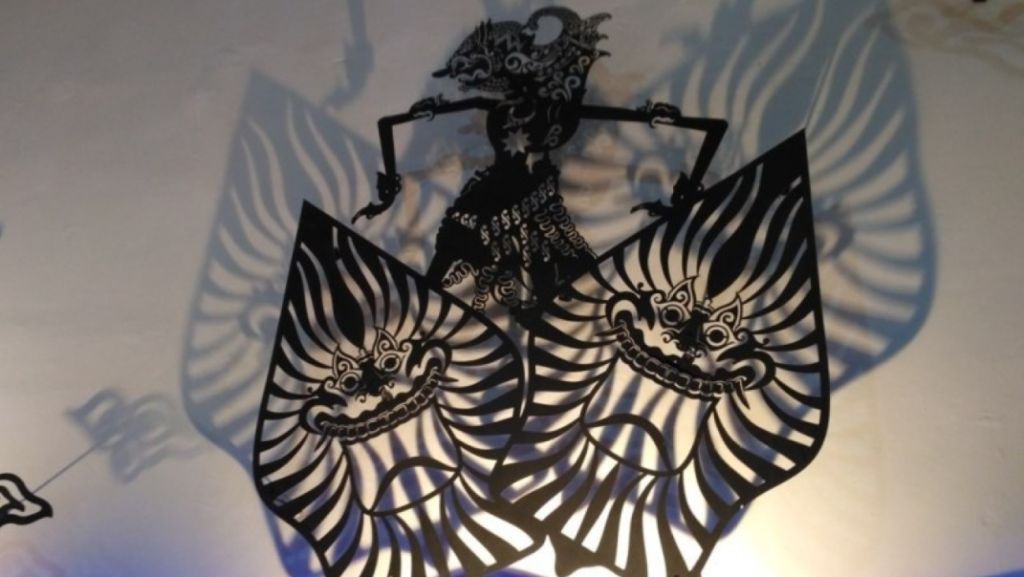
Shifting focus toward agricultural heartlands required distinctive tactical modifications managed primarily by Sunan Kalijaga and Sunan Muria. Proselytizers encountered communities deeply attached to centuries of ancient agrarian folklore and theatrical traditions. Instead of executing destructive iconoclastic campaigns, leadership selected familiar artistic mediums to communicate fundamental monotheistic messages.
Modifying structural elements within theatrical performances and musical systems permitted gradual transmission of orthodox values without inducing social chaos. Familiar external casings preserved communal harmony while internal allegories systematically replaced polytheistic concepts with pure monotheism. Methodical pacing guaranteed sustainable integration across conservative inland districts.
Pure Teachings vs Contemporary Ritualistic Deformations of Wali Songo
Significant divergence exists between documented practices of original scholars and modern ancestral rituals observed across historical shrines. Investigative journalism requires analyzing how centuries of oral transmission distorted precise legal instructions into complex ritualized customs. Rectifying these misconceptions involves examining authentic records against popularized practices that burden local populations.
Contemporary distortions frequently manifest as rigid societal obligations that clash with fundamental principles of ease in Islamic law. Popularized traditions often blur critical distinctions separating cultural expressions from immutable religious mandates. Restoring clarity requires applying standard legal methodology to filter subsequent historical additions.
Shafi i Fiqh Perspective on Financial Burden of Bereavement Rituals
Modern regional customs frequently enforce intense financial expectations upon grieving families, demanding elaborate multi-day banquets during mourning periods. Analysis of classic Shafi'i legal text collections, available through global repositories like Leiden University Digital Library, confirms that original scholars viewed family-funded mourning feasts as discouraged innovations.
Classical jurisprudence dictates that neighboring communities bear absolute responsibility for supplying nourishment to grieving households instead of demanding hospitality.
Forcing bereaved families to accumulate debt to fund mandatory communal gatherings directly contradicts authentic prophetic mandates. Early leadership aimed to alleviate societal suffering, yet subsequent cultural drift inverted these systems into heavy socio-economic burdens.
Reclaiming authentic legal perspectives provides immediate relief to vulnerable agrarian communities trapped under expensive traditional expectations.
Critical Boundaries Tawassul Philosophy vs Devotional Exaggeration
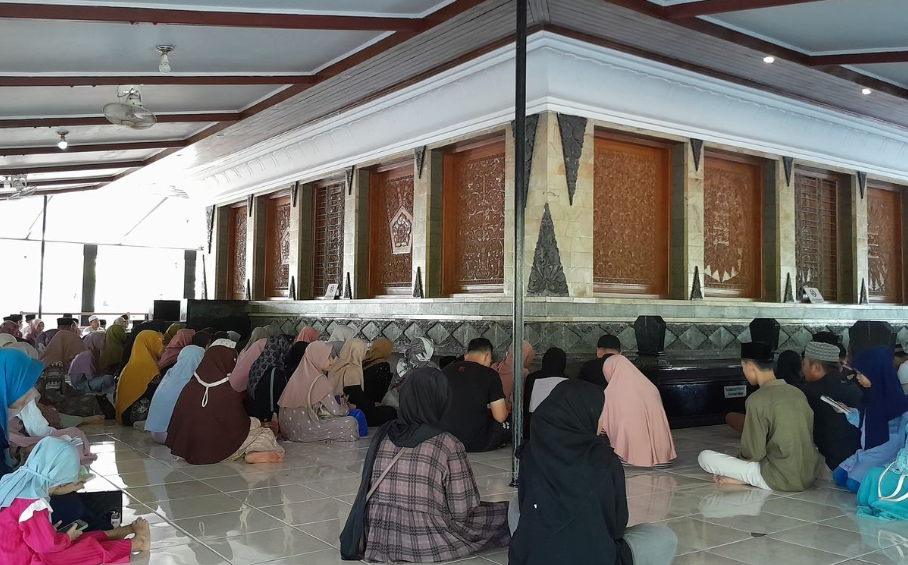
Authentic instructional materials show early leadership strictly enforced direct supplication to God, protecting absolute monotheism from compromise. While standard jurisprudence permits recognizing spiritual merits of pious predecessors, modern shrine practices frequently cross dangerous boundaries into devotional exaggeration. True monotheism rejects attributing independent supernatural agency to deceased human beings, regardless of historical righteousness.
Emerging contemporary patterns involving direct material requests to entombed figures represent complete deviations from early scholarly teachings. Original leaders functioned as teachers and state builders rather than divine intermediaries granting physical fortunes. Re-establishing clear doctrinal boundaries prevents cultural appreciation from transforming into forbidden theological innovations.
Historical Rewriting Why Winners Altered Early Records
Current syncretic patterns stem primarily from calculated political reconfigurations occurring long after original leadership passed away. Historical shifts modified early legalistic state documents into mystical allegories to serve changing dynastic needs. Investigating structural motivations behind these textual changes exposes clear separation between genuine history and manufactured state myths.
Subsequent political regimes required powerful symbols to unify diverse populations during periods of intense civil unrest. Rewriting history allowed later monarchs to claim supernatural legitimacy by presenting early orthodox scholars as mythical sorcerers validating royal authority. Systematic mythification deliberately obscured original legal and theological movements.
Fall of Demak and Power Shift to Mataram Hinterlands
Tragic collapse of maritime-focused Demak Sultanate terminated early attempts to build highly formalized, orthodox legal states along the coast. Political gravity rapidly migrated inward toward inland agrarian rulers, culminating in the establishment of Mataram Sultanate. Inland administrations operated far from global shipping routes, leaving them isolated from continuous intellectual exchanges refreshing coastal cities.
Agrarian rulers required different governance mechanisms, selecting ancient internal court traditions over rigid maritime legal codes to control large farming populations. Re-integrating ancient pre-Islamic court symbols necessitated altering histories of coastal saints to make them appear compatible with interior mystical governance. Structural transformations effectively buried early orthodox constitutional experiments under layers of royal mythology.
Court Poets Mythification Project in Eighteenth Century
Eighteenth and nineteenth-century court poets executed extensive rewriting projects under royal orders to produce grand epic literatures like Babad Tanah Jawi. Writers intentionally converted early legalistic historical records into poetic mythologies filled with supernatural events and magical combat. This calculated literary strategy successfully transformed real, historically verifiable human scholars into legendary protectors of reigning dynasties.
Transforming orthodox jurists into mystical entities allowed monarchies to suppress religious rebellion by arguing that royal policies enjoyed supernatural validation from ancient saints.
Original textbooks teaching strict jurisprudence were sidelined in favor of romanticized legends celebrating miraculous interventions.
Resulting literary traditions successfully shaped public memory for generations, cementing modern misunderstandings.
Restoring Original Tauhid Through Primary Source Literacy
Overcoming centuries of manufactured mythology requires determined returns to earliest surviving primary source documents from the sixteenth century. Comparing late palace epics with genuine early materials exposes extensive alterations designed to distort original orthodox intentions.
Public awareness must prioritize verified textual literacy to disassemble deeply embedded superstitious traditions. Utilizing authenticated historical manuscripts allows modern societies to decouple beautiful artistic traditions from core theological obligations.
Communities can preserve valuable regional artistic heritage while simultaneously purifying personal religious practices from un-Islamic additions. Solution journalism paths emphasize that true honor toward historical pioneers involves practicing pure monotheism as documented in actual written legacies.