
There is a version of meatball soup served across most of Indonesia. It is warm, filling, and familiar. Then there is Bakso Malang, and the difference becomes immediately apparent the moment a bowl is placed in front of you, where most regional bakso presentations revolve around a handful of meatballs floating in broth.
Bakso Malang arrives as a full composition: multiple textures, multiple preparations, and multiple layers of flavor assembled into a single serving that has made Malang one of Indonesia's most compelling culinary destinations.
This is not an accidental distinction. Bakso Malang developed its complexity through decades of competition among street vendors and warung operators across the city, each refining their version to stand apart from the next.
The result is a bowl that functions less like a simple noodle soup and more like a curated arrangement of everything the Malang kitchen tradition considers worth preserving in a single sitting.
A Bowl That Breaks the Single-Meatball Convention
The defining characteristic of Bakso Malang as a culinary format is its deliberate rejection of uniformity. A standard serving from an authentic Malang warung does not present one type of meatball. It presents a layered arrangement of components, each contributing a different texture and flavor register to the overall experience.
The broth itself sets the foundation. Unlike the richer, sometimes oily broths found in bakso traditions from other regions, Bakso Malang favors a clear, clean beef stock that carries strong umami depth without heaviness. The clarity of this broth is not a sign of simplicity.
It reflects a cooking philosophy that prioritizes balance, ensuring each component of the bowl remains distinguishable rather than blurring together under a thick or cloudy liquid.
Fresh shredded cabbage is added directly to the bowl before the broth is poured, contributing a mild crunch that holds briefly before softening in the heat. This small addition creates textural contrast that persists throughout the meal, preventing the eating experience from becoming monotonous even as the bowl empties.
The approach to bowl construction reflects a broader Indonesian culinary principle: that a great dish is judged not by a single dominant element but by how well its components work together without competing.
The Anatomy of a Complete Serving
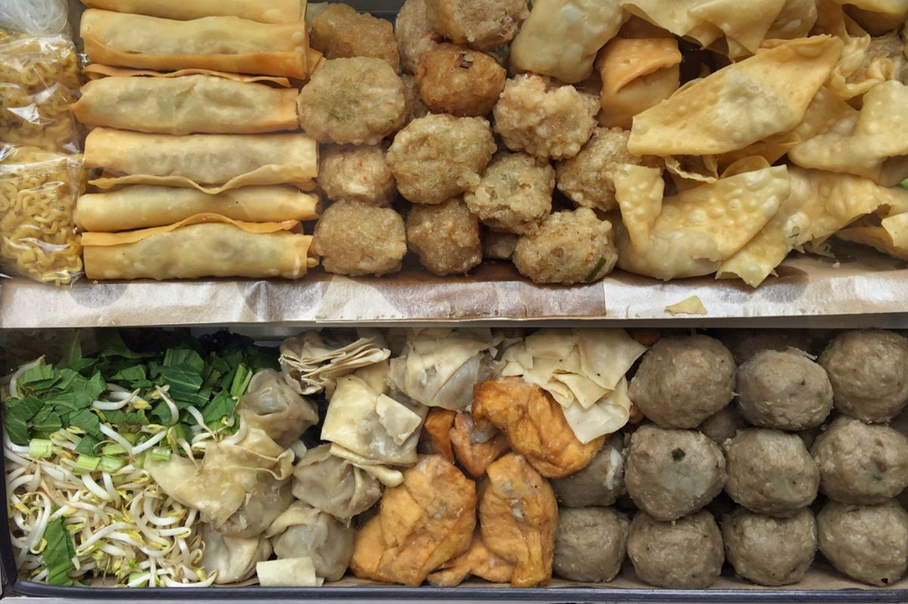
Understanding Bakso Malang requires understanding each of its components as a deliberate choice rather than an afterthought. The pentol, or meatball itself, already comes in multiple forms within a single bowl. Pentol halus is the smooth, finely ground beef ball with a uniform texture and clean, mild flavor.
Pentol urat is larger, containing visible tendon fibers that give it a chewier resistance and a deeper beefy character.
Contemporary Malang vendors have extended the pentol category further with modern innovations that reflect the city's ongoing appetite for iteration. Pentol bakar refers to grilled meatballs with a slightly charred exterior that introduces a smoky register absent from the boiled versions.
Filled variations incorporating cheese or chili paste at the center have also gained traction, particularly among younger consumers looking for contrast between the neutral outer shell and a sharp, molten interior.
Gorengan: The Fried Elements That Set Bakso Malang Apart
The gorengan category is where Bakso Malang most dramatically separates itself from competing regional styles. These fried components are not incidental additions or side garnishes. They are structural contributors to the bowl's identity, and their presence is what most visitors remember long after the meal ends.
Gorengan Mawar is a wonton skin folded and fried into a crisp, flower-like shape that shatters on contact before dissolving into the broth over time. Gorengan Panjang is an elongated fried piece encasing a cylinder of bakso paste, combining exterior crunch with a softer, seasoned interior in a single bite.
Gorengan Bulat rounds out the category as a spherical fried shell filled with the same meat paste, offering a compact version of the same contrast. Collectively, the gorengan elements provide the bowl's textural drama, ensuring that each spoonful varies from the last.
Tahu Isi and Siomay: Softness as a Counterweight
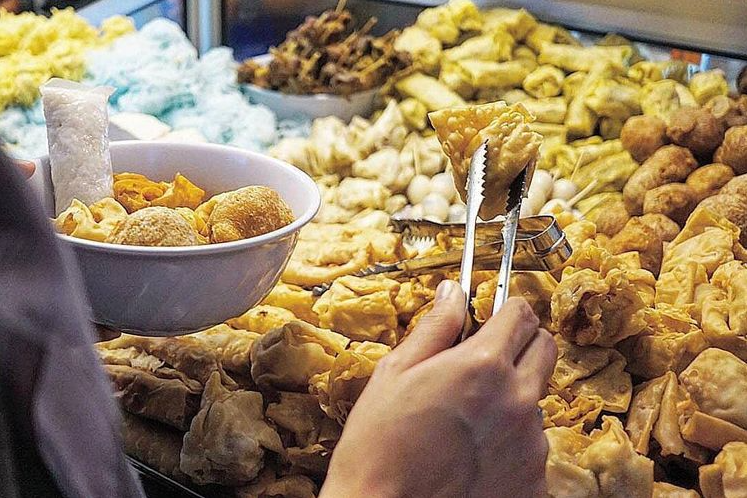
Tahu isi completes the protein architecture of a full Bakso Malang serving. Tofu blocks, either white or the fried pong variety, are split open and packed with raw bakso paste before being steamed or briefly fried again.
The result is a soft, yielding outer layer that gives way to a denser, savory filling. This preparation introduces a gentler texture register that offsets the chewiness of pentol urat and the crispness of gorengan, giving the bowl a full spectrum from firm to tender.
Siomay basah, the steamed dumpling component, operates in the same softness register. Its thin wrapper and lightly seasoned filling absorb broth readily, making it one of the most broth-forward elements in the bowl.
Together, tofu isi and siomay function as palate resets between the more assertive fried and grilled components, maintaining the eating rhythm across a complete serving.
The Self-Service Culture That Shapes the Experience
A significant portion of the most authentic Bakso Malang establishments in the city operate on a prasmanan system, where customers select their own components from an open display before sitting down. This self-service model is not a cost-cutting measure. It is a hospitality philosophy rooted in personal preference, allowing each diner to construct their bowl according to individual appetite and tolerance for richness.
A customer who favors the gorengan elements can load their bowl heavily with fried components. Someone focused on the pentol variety can prioritize the meatball selection and request less tofu.
The prasmanan format transforms eating Bakso Malang into a semi-participatory act, and this element of personal curation is part of why the dish generates such strong attachment among regulars who visit the same warung repeatedly with slightly different bowl compositions each time.
Where to Find Bakso Malang Across the City and Beyond
Bakso Malang is not difficult to locate within Malang city itself. Warungs and dedicated establishments serving this style are distributed across residential neighborhoods, commercial corridors, and the areas surrounding major universities. Several names have become institutionally recognized within the city's culinary identity.
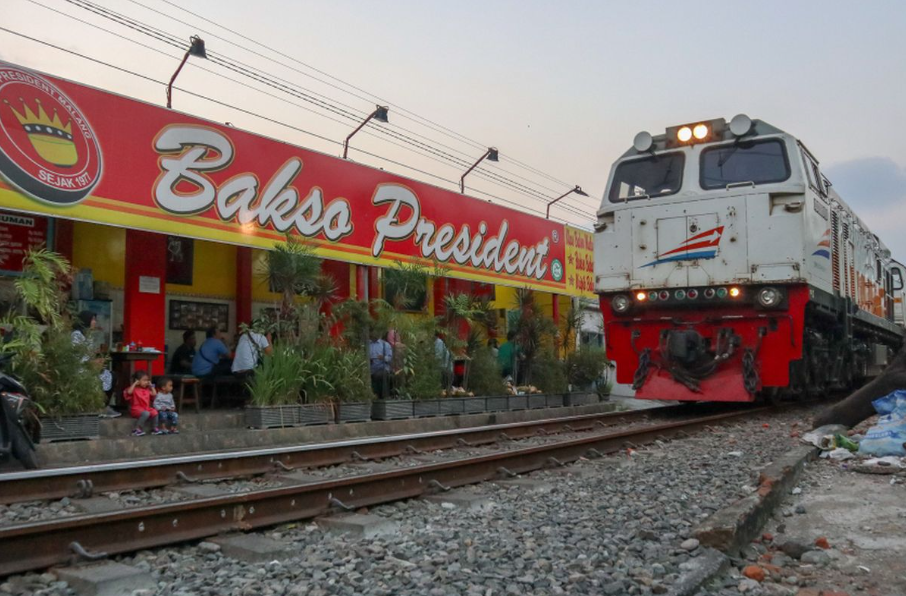
Bakso President on Jalan Simpang Agus Salim is among the oldest and most cited, operating for decades with a consistent preparation that has become the benchmark many locals use to evaluate newer competitors.
Bakso Kota Cak Man maintains multiple branches across Malang and has extended its reach to other Javanese cities, making it one of the more accessible entry points for visitors encountering the format for the first time.
Bakso Bakar Pak Man built its following specifically around the grilled pentol variation, drawing customers who come primarily for the charred, smoky character that sets it apart from broth-only presentations.
Beyond Malang, the style has traveled with migration patterns familiar to most Javanese culinary traditions. Indonesian cities with significant East Javanese populations, particularly Jakarta, Surabaya, Yogyakarta, and Bali, host warung and restaurant operators who have replicated the multi-component Malang format.
These outposts vary in fidelity to the original, but the core composition of pentol, gorengan, and tahu isi within a clear beef broth remains recognizable across most of them. For visitors who encounter Bakso Malang outside of East Java and find themselves drawn to the format, a trip to the source city remains worthwhile.
Bakso Malang as a Culinary Tourism Anchor for East Java
The commercial weight of Bakso Malang within the wider Malang tourism economy is difficult to overstate. The city receives significant domestic visitor traffic, and food-focused itineraries consistently place bakso establishments alongside the more frequently cited attractions of Bromo, Batu highland resort areas, and the Singosari temple complex.
Tourist-facing travel guides covering Malang culinary destinations routinely list Bakso Malang as the non-negotiable first meal for any first-time visitor, ahead of any other local dish.
This culinary gravity has supported the growth of a secondary economy around the dish. Vacuum-packed frozen bakso branded under Malang-origin names are sold in supermarkets nationally and through e-commerce platforms, allowing consumers outside the city to approximate the experience.
Cooking class operators in Malang have incorporated bakso preparation into tourism packages targeting domestic and international visitors interested in hands-on engagement with local food culture. The dish has effectively become a soft diplomacy tool, carrying the city's name into kitchens and food conversations well beyond East Java.
Why Bakso Malang Represents the Best of Indonesian Street Food Thinking
The enduring appeal of Bakso Malang comes down to a design principle that Indonesian street food has always understood better than formal culinary traditions in many other countries: abundance should not mean excess. A bowl of Bakso Malang contains more components than almost any equivalent street food format in Southeast Asia.
Yet it does not feel overwhelming, each element has a function, each texture serves a purpose within the composition. The clear broth keeps richness in check, the gorengan provides punctuation, the pentol delivers the protein core, the cabbage and tofu maintain lightness.
This kind of calibrated complexity, developed not in professional kitchens but through generational refinement on street corners and in family warungs, is what places Bakso Malang in the same conversation as the most sophisticated regional dishes Indonesia has produced. It is the food of a city that takes feeding people seriously.